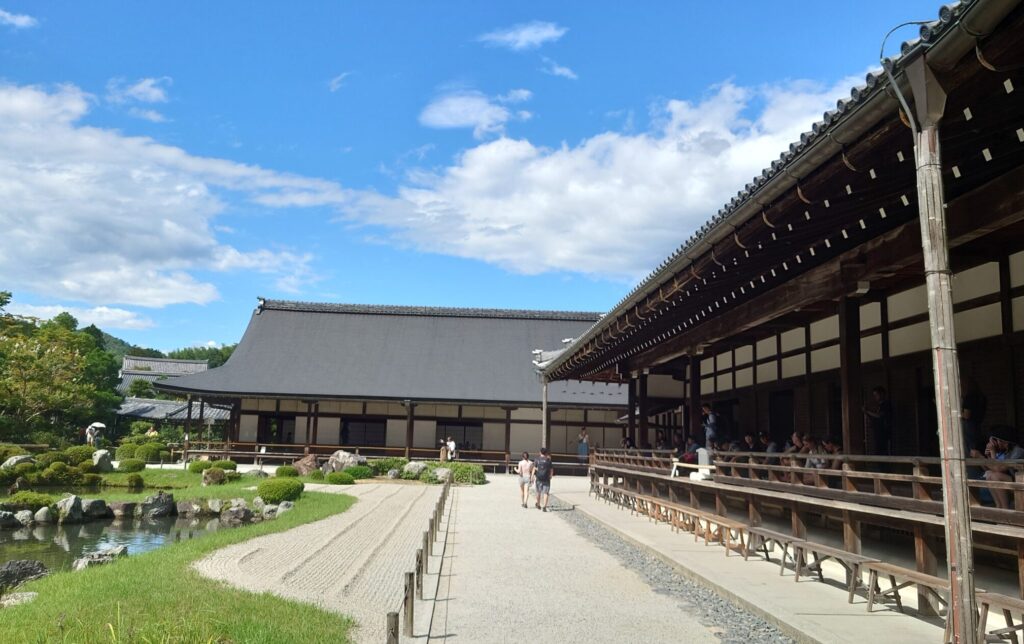
Japanese for Daily Life in Japan: How to Speak Naturally and Live Comfortably
If you are studying Japanese seriously and planning to live in Japan, this article is for you. Japanese for daily life in Japan is not about passing exams. It is about handling real conversations at the supermarket, city hall, hospital, and with neighbors without stress. In this article, you will learn why many JLPT N4 to N3 learners struggle in daily life, what skills actually matter, and how focused online lessons can help you speak naturally and confidently in Japan.
Why Japanese for Daily Life in Japan Is Harder Than You Expect

Many learners reach JLPT N4 or N3 and feel confident with grammar and vocabulary. However, daily life in Japan quickly exposes a gap between textbook Japanese and real spoken Japanese.
Grammar Knowledge Does Not Equal Conversation Skill
You may know how to form correct sentences, but daily conversations move fast. Native speakers do not wait while you think about sentence structure. This creates pressure and hesitation.
Practical example
At a convenience store, the clerk says something like
Fukuro wa go riyou ni narimasu ka
You understand the words, but by the time you build your answer, the moment has passed. This happens not because your Japanese is bad, but because your brain is busy constructing sentences instead of responding naturally.
Daily Life Requires Immediate Responses
Living in Japan means reacting instantly in common situations such as
- Renting an apartment
- Visiting a clinic
- Talking to coworkers or neighbors
In these situations, pausing to think about grammar feels unnatural and stressful. Japanese for daily life in Japan requires ready to use expressions, not slow translation.
Practical example
At city hall, you may hear
Kono shorui wa mou ichido teishutsu shite kudasai
You know the grammar, but you freeze because you are unsure how to respond politely and naturally on the spot.
The Real Skill You Need: Thinking and Speaking Like a Native

To function smoothly in Japan, you need more than vocabulary lists. You need two core skills that native speakers use unconsciously.
Skill One: Separating Content From Sentence Building
In your native language, you decide what you want to say first. You do not think about grammar rules. Japanese learners often do the opposite. They think about sentence structure first, then content.
The goal of effective Japanese for daily life in Japan is to reverse this process. When sentence patterns are automatic, your brain can focus on meaning and intention.
Practical example
Instead of thinking
How do I build a sentence for I cannot today
You instantly recall a natural pattern like
Kyou wa chotto muzukashii desu
This frees mental space and makes your response faster and more natural.
Skill Two: Using Native Expression Patterns
Native speakers rely on fixed patterns, not original sentence construction each time. These patterns are reused constantly in daily life.
Examples of common native patterns
- Chotto ii desu ka
- Sou iu koto desu ne
- Nandaka chigau ki ga shimasu
These are not advanced grammar. They are daily life tools. Memorizing and practicing these patterns is essential for Japanese for daily life in Japan.
Practical example
During a casual conversation, instead of creating a complex explanation, saying
Sore wa chotto muzukashii desu ne
sounds natural and keeps the conversation flowing.
How Focused Repetition Builds Natural Japanese
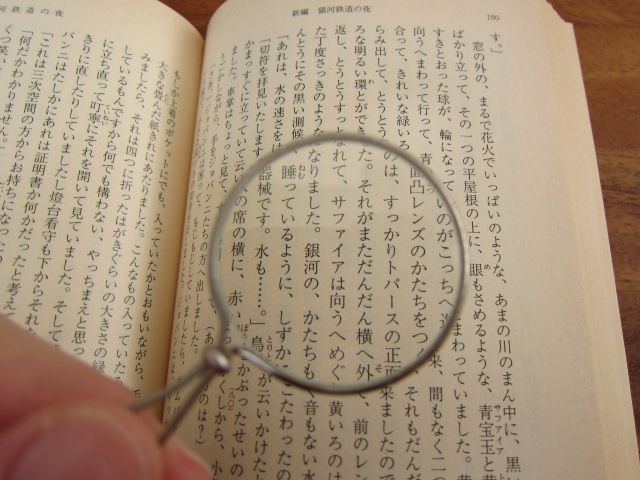
Many learners underestimate repetition. However, repetition of native expressions is exactly how you internalize natural Japanese.
Why Repetition Works Better Than Studying Rules
When you repeatedly use the same natural expressions in context, your brain stores them as complete units. This removes the need to assemble sentences during conversation.
This approach is especially effective for learners at JLPT N4 to N3 who already understand basic structure but cannot speak smoothly.
Practical example
Instead of studying multiple ways to say refusal, you repeatedly practice
- Chotto kangaesasete kudasai
- Ima wa muzukashii desu
After enough repetition, these come out automatically in real situations.
Training Like You Speak Your Native Language
Think about conversations in your native language. While listening, you are already preparing your opinion. You are not thinking about grammar.
Japanese for daily life in Japan should feel the same. The key is having ready made expression patterns always available.
Practical example
In an online lesson, you practice a situation such as returning an item at a store. You repeat native expressions until responding feels automatic. Later, in Japan, your mouth moves before hesitation appears.
Applying Japanese for Daily Life in Japan to Real Situations

Daily life in Japan includes predictable scenarios. Training for these scenarios directly gives the highest return.
Everyday Situations You Must Handle Smoothly
Effective daily life Japanese focuses on situations such as
- Ordering food and making small requests
- Asking for clarification politely
- Explaining simple problems
- Responding naturally in short conversations
Practical example
At a restaurant, instead of overthinking, you naturally say
Sumimasen, kore onegai shimasu
or
Mou sukoshi yasashii aji ni dekimasu ka
These phrases are simple but powerful.
Building Confidence Through Controlled Practice
Confidence comes from knowing what to say before you need to say it. Repeated role play with native expressions creates this confidence.
Practical example
You practice conversations with neighbors in an online lesson, using fixed expressions like
Yoroshiku onegai shimasu
or
Itsumo arigatou gozaimasu
When the real moment comes, your response feels familiar, not stressful.
Summary and Free Trial Invitation
Japanese for daily life in Japan is about speaking naturally, not perfectly. For JLPT N4 to N3 learners, the biggest barrier is not grammar, but speed, confidence, and natural expression.
Key points to remember
- Daily life Japanese requires instant responses
- Native speakers rely on fixed expression patterns
- Repetition builds automatic speaking ability
- Separating content from sentence building is essential
If you want to live comfortably in Japan, focused practice with native expressions is the fastest path. In my online lessons, you repeatedly train real daily life conversations until speaking feels natural and effortless.
A free trial lesson is available. Experience how practicing native Japanese patterns can transform your daily communication in Japan and help you live with confidence.
Want to improve your Japanese speaking?
Book a free 30-minute trial lesson. We'll assess your level and build a study plan around your real-life goals.
Get your free trial lesson